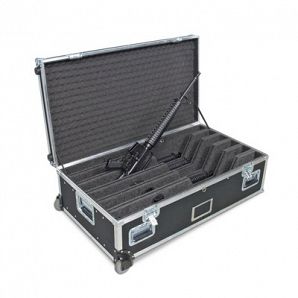
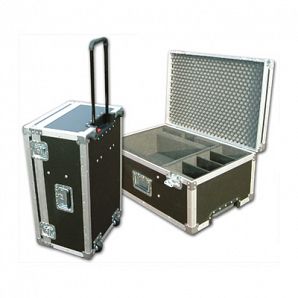
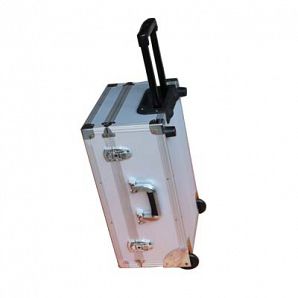
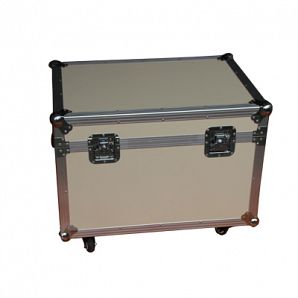
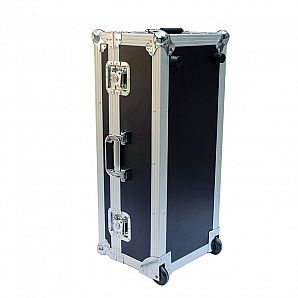
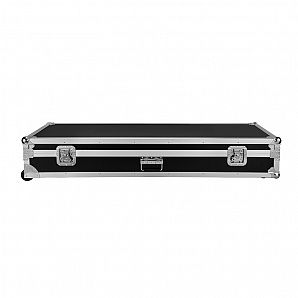
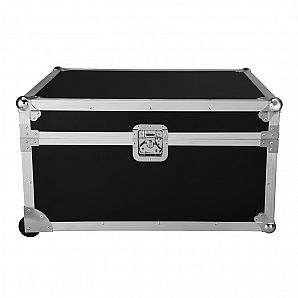
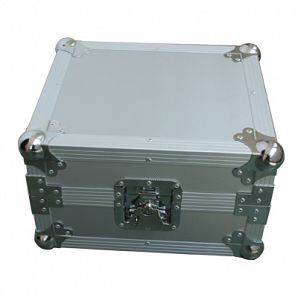
Custom flight cases are designed to protect valuable equipment from impact, vibration, dust, and harsh transportation conditions. The materials used in the case structure directly affect durability, weight, protection level, and service life.
Choosing the right material depends on the equipment type, transportation environment, budget, and required protection level.
1. Plywood: Strong and Reliable
Plywood is one of the most commonly used materials for professional flight cases. Its multi-layer structure provides excellent strength, rigidity, and impact resistance.
Advantages:
High structural strength
Excellent impact resistance
Easy to customize for different sizes
Suitable for heavy-duty equipment
Plywood cases are often combined with aluminum profiles and protective laminates for improved durability and appearance.
Applications:
Audio equipment cases
Stage and lighting equipment
Large industrial equipment
2. Aluminum: Lightweight and Durable
Aluminum is widely used for flight case frames, edges, and panels due to its excellent strength-to-weight ratio and corrosion resistance.
Advantages:
Lightweight but strong
Rust and corrosion resistant
Professional appearance
Suitable for frequent transportation
Aluminum is often combined with plywood panels to create a strong yet lightweight hybrid flight case.
Applications:
Electronics
Medical equipment
Instruments
Trade show equipment
3. ABS Plastic: Lightweight Protection
ABS laminate is a durable thermoplastic material commonly used as an exterior layer for plywood cases. It improves resistance to scratches, moisture, and daily wear.
Advantages:
Good impact resistance
Lightweight design
Water and chemical resistance
Available in various finishes
Applications:
Portable equipment cases
Small to medium-sized flight cases
Protective carrying cases
4. Foam Inserts: Interior Protection
Although foam is not a structural material, it plays a key role in protecting equipment inside the case.
Common options include:
PU foam: Soft cushioning for delicate products
EPE/PE foam: Higher density protection for heavier equipment
EVA foam: Durable and precise custom fitting
Custom-cut foam prevents movement, absorbs shock, and protects equipment during transportation.
5. Hardware Components: Enhancing Durability
Quality hardware is essential for a long-lasting flight case.
Common components include:
Aluminum edges and profiles
Steel corners
Butterfly latches
Heavy-duty handles
Reinforced hinges
Wheels and casters
These components improve impact resistance, usability, and overall case strength.
How to Choose the Right Flight Case Material?
Consider the following factors before selecting materials:
Equipment weight and size
Transportation conditions
Required impact protection
Weight limitations
Budget requirements
Customization needs
For most professional applications, a combination of plywood, aluminum reinforcement, protective laminate, and custom foam inserts provides the best balance of strength, protection, and cost efficiency.
Conclusion
The best flight case material depends on your specific application. Plywood offers excellent strength, aluminum provides lightweight durability, ABS improves surface protection, and custom foam ensures internal safety.
HQC, founded in 2011, is a custom case manufacturer, providing aluminum tool cases, aluminum equipment cases, aluminum instrument cases, aluminum briefcases, aluminum gun cases, flight cases, hard plastic cases, and presentation cases for commercial, industrial, and military applications.
HQC has a variety of advanced equipment and experienced and professional staff. We can develop and process all kinds of aluminum cases catering to customers' demands.
HQC inspects every case according to customers` requirements, and all cases will be checked at least twice. So, there are nearly no bad ones. Once find a bad one, they will do new ones for free for customers. So, HQC case sells very well in Japan, Europe, and America.
More Details: https://www.hqc-aluminumcase.com