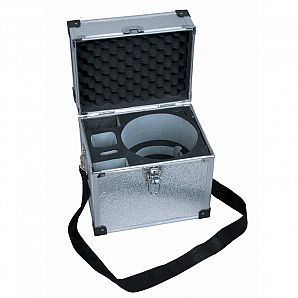
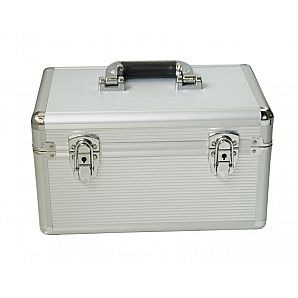
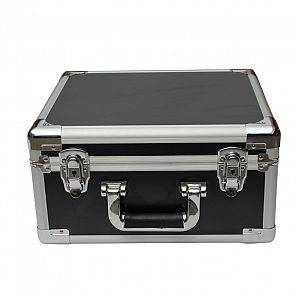
When choosing a protective case for tools, instruments, or valuable equipment, the material of the case plays an important role in determining durability, weight, protection level, and service life. Among the most common options, aluminum cases and plastic cases are widely used in industries, workshops, transportation, and outdoor applications.
Plastic cases are popular because they are lightweight and cost-effective, while aluminum cases are known for their strength, professional appearance, and long-term reliability. However, the best choice depends on your specific application, budget, and protection requirements.
This article compares aluminum cases and plastic cases in terms of durability, weight, security, weather resistance, customization, and overall value to help you make the right decision.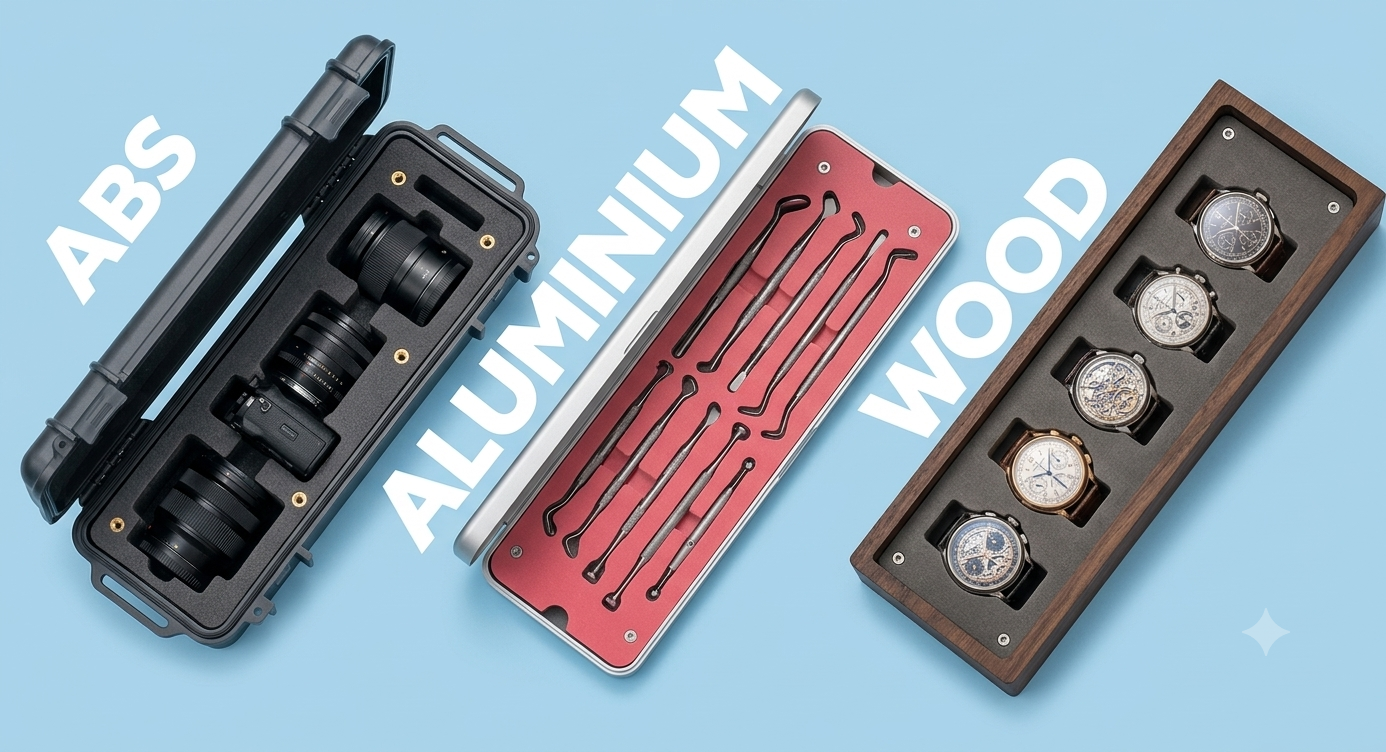
What Is an Aluminum Case?
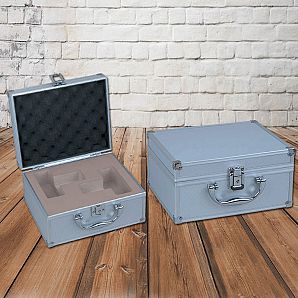
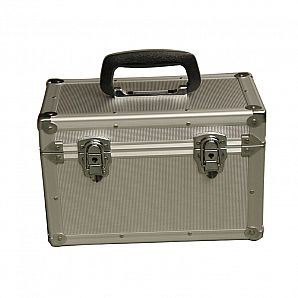
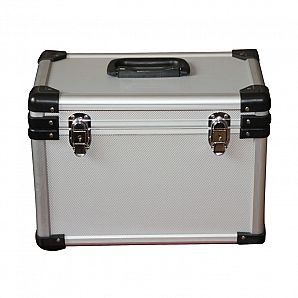
An aluminum case is a rigid protective container manufactured with aluminum panels, aluminum frames, and reinforced hardware. It is designed to protect sensitive equipment from impact, vibration, dust, moisture, and transportation damage.
Aluminum cases are commonly used for:
Professional tools
Measuring instruments
Electronic equipment
Cameras and photography equipment
Medical devices
Industrial components
Outdoor and military equipment
The main advantage of aluminum is its excellent strength-to-weight ratio. Aluminum provides strong structural support while remaining much lighter than steel, making it suitable for portable protective applications.
What Is a Plastic Case?
Plastic cases are usually made from materials such as ABS, polypropylene (PP), or other engineered plastics. They are widely used because they offer low manufacturing costs, lightweight construction, and flexible design options.
Plastic cases are commonly selected for:
Basic tool storage
Consumer electronics
DIY equipment
Lightweight transportation needs
For applications where extreme impact protection is not required, plastic cases can provide a practical and economical solution.
Aluminum Case vs Plastic Case: Key Differences
Aluminum vs. Plastic: While heavy-duty injection-molded plastic cases offer deep submersion waterproofing (IP67), they come with prohibitively high NRE (Non-Recurring Engineering) and mold costs. Aluminum provides superior heat resistance and dimension customization without upfront tooling investments.
Aluminum vs. Plywood: Wooden flight cases are cost-effective for extremely oversized road gear, but they absorb moisture, degrade over time, and add unnecessary bulk. Aluminum cases offer a far higher return on investment (ROI) over repeated logistics cycles.
| Evaluation Criteria | Custom Hard Aluminum Cases | Engineered Plastic Cases (IP67) | Wooden / Plywood Flight Cases |
| Structural Integrity | Excellent (High crush/impact resistance) | High (Flexible shock absorption) | Moderate (Prone to splintering/warping) |
| Weight | Lightweight & Rigid | Moderate to Heavy (Heavy-duty molded) | Heavy |
| Customization Cost | Very Low (No mold fees required) | High (Requires expensive tooling) | Low (Hand-crafted construction) |
| Aesthetics / Texture | Premium (Sleek, industrial look) | Industrial Plastic | Utility / Heavy-Duty |
| Temperature Stability | Superior (-40°C to +120°C+) | Moderate (May warp or become brittle) | Poor (Absorbs moisture, degrades) |
| Lifespan / Durability | Extremely Long | Long | Short-to-Medium |
1. Durability and Impact Resistance
Durability is one of the biggest differences between aluminum and plastic cases.
Aluminum Case
Aluminum cases provide excellent structural strength. The rigid metal frame helps prevent deformation when exposed to heavy pressure, impact, or rough handling.
Advantages include:
High impact resistance
Strong load-bearing capability
Long service life
Better protection for expensive equipment
For professionals who transport valuable tools or precision instruments frequently, aluminum cases offer reliable protection in demanding environments.
Plastic Case
Plastic cases are lightweight and resistant to daily wear, but their durability depends heavily on the type and thickness of plastic used.
Potential limitations include:
Cracking under strong impact
Deformation under high temperatures
Reduced durability after long-term outdoor exposure
For light-duty applications, plastic cases work well, but they may not provide the same level of protection as aluminum cases.
2. Weight and Portability
Weight is another important factor when selecting a protective case.
Plastic Case: Lightweight Advantage
Plastic cases are generally lighter than aluminum cases, making them easier to carry for short-distance transportation.
They are suitable for:
Small tools
Consumer products
Occasional use
Aluminum Case: Stronger With Reasonable Weight
Although aluminum is a metal, it remains relatively lightweight compared with steel. A well-designed aluminum case provides strong protection without adding excessive weight.
For professionals who need to transport expensive equipment between job sites, aluminum cases offer a better balance between portability and durability.
3. Protection and Security
When protecting valuable equipment, security is a major consideration.
Aluminum cases usually feature:
Reinforced aluminum frames
Heavy-duty hinges
Secure latches
Locking systems
Shock-resistant structures
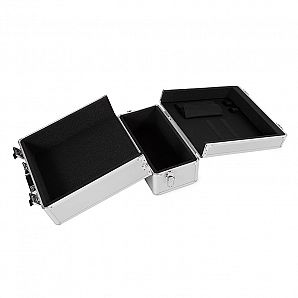
They can also be customized with foam inserts, allowing equipment to fit perfectly inside the case and preventing movement during transportation.
Plastic cases may include basic locks and molded compartments, but they generally provide fewer customization options for professional applications.
For expensive tools, precision instruments, and sensitive equipment, aluminum cases provide a higher level of protection.
4. Weather Resistance and Outdoor Performance
Environmental conditions can affect the lifespan of a protective case.
Aluminum Cases
Aluminum naturally provides excellent corrosion resistance. With surface treatments such as anodizing or powder coating, aluminum cases can withstand:
Moisture
Temperature changes
Outdoor environments
Frequent transportation
Plastic Cases
Many plastic cases are also water-resistant and suitable for outdoor use. However, some plastics may become brittle in cold temperatures or deform under prolonged heat exposure.
For harsh environments, aluminum cases generally offer better long-term reliability.
5. Appearance and Professional Image
The appearance of a case can also influence brand perception.
Aluminum cases provide:
Premium appearance
Professional industrial design
Metallic finish
Better brand presentation
They are often used by companies that want their equipment packaging to reflect quality and professionalism.
Plastic cases offer more color flexibility but usually have a more functional appearance rather than a premium look.
6. Customization Options
Both aluminum and plastic cases can be customized, but aluminum cases often provide more flexibility for professional applications.
Common aluminum case customization options include:
Custom dimensions
EVA or PU foam inserts
Internal dividers
Logo engraving
Surface coating
Custom hardware
Special locking systems
Foam interiors can be precisely cut according to the shape of tools or equipment, ensuring better protection and organization.
Plastic cases can also be customized through injection molding, but custom tooling costs may be higher for small production quantities.
Which One Should You Choose?
The choice between an aluminum case and a plastic case depends on your application.
Choose an Aluminum Case If You Need:
Heavy-duty protection
Long service life
Professional appearance
Custom foam organization
Protection for expensive equipment
Frequent transportation
Typical applications include industrial tools, aerospace equipment, medical devices, electronics, and professional instruments.
Choose a Plastic Case If You Need:
Lower cost
Lightweight storage
Basic protection
Large-volume applications
Occasional transportation
Plastic cases are suitable for general-purpose storage and products where extreme durability is not required.
Conclusion
Both aluminum cases and plastic cases have their own advantages. Plastic cases provide an affordable and lightweight solution for everyday storage, while aluminum cases offer superior durability, stronger protection, and a more professional appearance.
For businesses and professionals who need reliable protection for valuable equipment, a custom aluminum case is often the better long-term investment. Its combination of strength, lightweight construction, corrosion resistance, and customization capability makes it an ideal choice for demanding applications.
By understanding your specific requirements, usage environment, and protection needs, you can select the case material that provides the best balance between performance and cost.
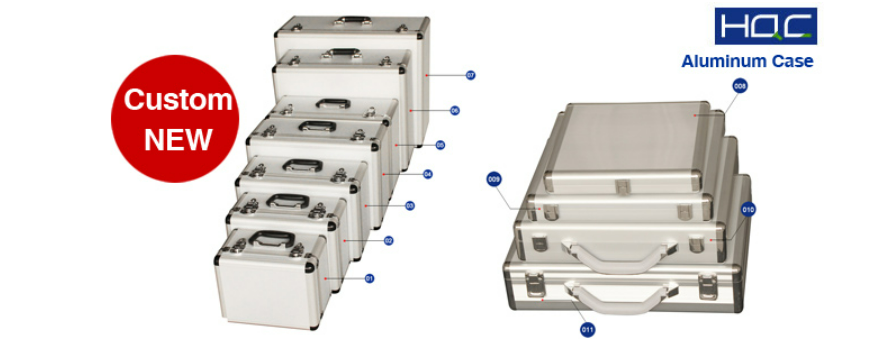
HQC, founded in 2011, is a custom case manufacturer, providing aluminum tool cases, aluminum equipment cases, aluminum instrument cases, aluminum briefcases, aluminum gun cases, flight cases, hard plastic cases, and presentation cases for commercial, industrial, and military applications.
HQC has a variety of advanced equipment and experienced and professional staff. We can develop and process all kinds of aluminum cases catering to customers' demands.
HQC inspects every case according to customers` requirements, and all cases will be checked at least twice. So, there are nearly no bad ones. Once find a bad one, they will do new ones for free for customers. So, HQC case sells very well in Japan, Europe, and America.
More Details: https://www.hqc-aluminumcase.com