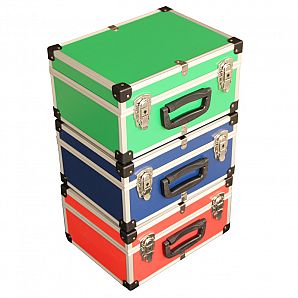
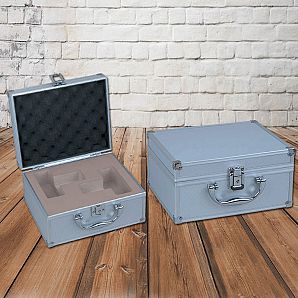
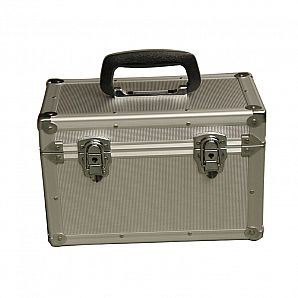
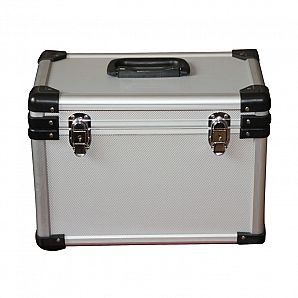
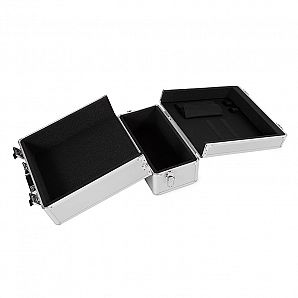
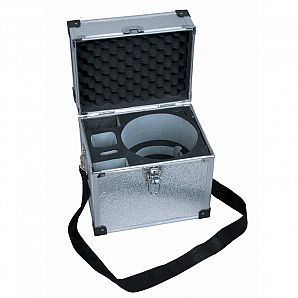
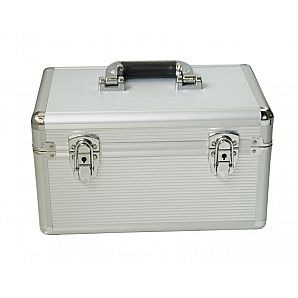
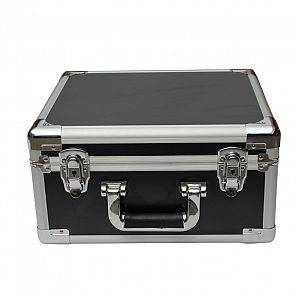
When transporting valuable equipment, precision instruments, or professional tools, ordinary storage solutions may not provide enough protection. A custom hard aluminum case offers an ideal combination of strength, lightweight construction, durability, and customizable design, making it widely used in industries such as aerospace, electronics, photography, cosmetics, medical equipment, military applications, tools and industrial transportation.
Unlike standard carrying cases, custom aluminum cases are designed according to specific product dimensions, usage environments, and protection requirements. From internal foam layouts to locking systems and surface finishes, every detail can be customized to create a reliable protective solution.
This guide explains the key features, manufacturing process, customization options, and applications of hard aluminum cases to help you choose the right solution for your products.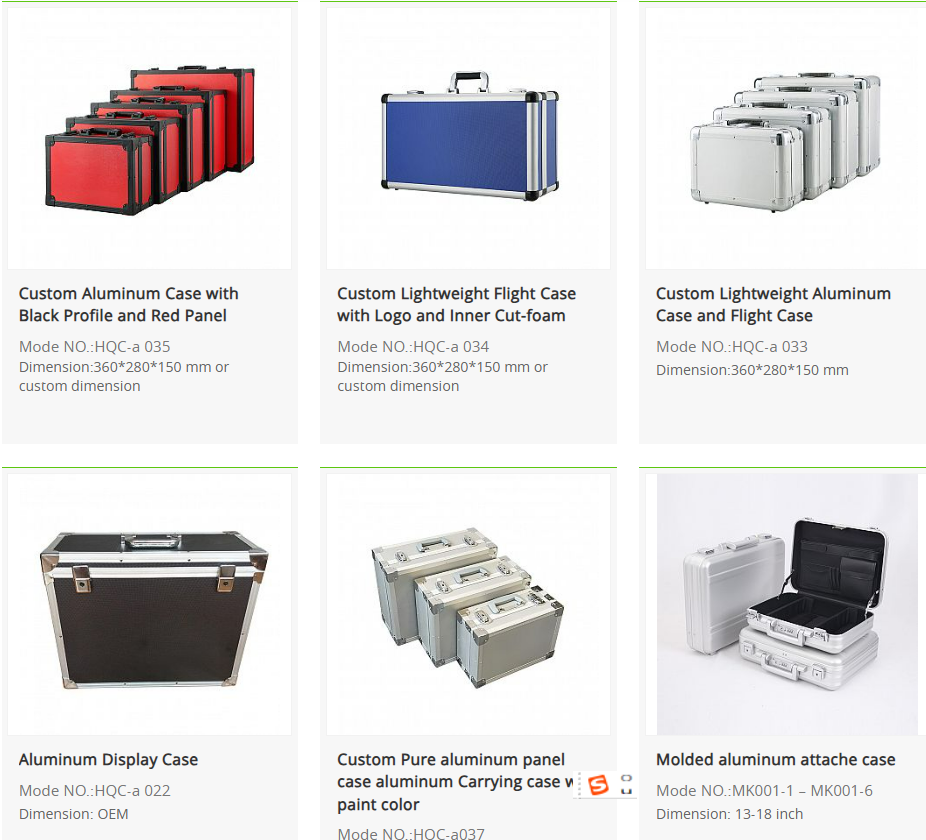
What Is a Hard Aluminum Case?
A hard aluminum case is a protective enclosure manufactured mainly from aluminum panels, aluminum profiles, and reinforced hardware. It is designed to protect sensitive equipment from impact, vibration, moisture, dust, and harsh transportation conditions.
Compared with plastic or fabric cases, aluminum cases provide better structural stability and a more professional appearance. The rigid aluminum shell helps prevent deformation under external pressure, while the lightweight material makes the case easier to carry.
A typical hard aluminum case consists of:
Aluminum frame structure
Aluminum composite or aluminum sheet panels
Reinforced corners
Hinges and locking systems
Carry handles
Interior foam or customized compartments
Surface finishing coating
Depending on application requirements, manufacturers can customize dimensions, materials, colors, logos, and internal protection systems.
Why Choose a Custom Hard Aluminum Case?
1. Superior Strength and Durability
The biggest advantage of aluminum cases is their excellent mechanical strength.
High-quality aluminum alloys provide:
Strong impact resistance
High load-bearing capability
Corrosion resistance
Long service life
For industrial transportation or outdoor applications, aluminum cases can withstand repeated handling, vibration, and environmental stress.
Compared with traditional storage boxes, aluminum cases maintain their shape and protect internal equipment even during demanding transportation conditions.
2. Lightweight Yet Strong Construction
Aluminum is widely used in protective cases because it offers a high strength-to-weight ratio.
A well-designed aluminum case can provide:
Lower transportation weight
Easier handling
Reduced shipping costs
Improved portability
This makes aluminum cases especially suitable for technicians, engineers, photographers, and field workers who need to carry equipment frequently.
3. Fully Customized Internal Protection
Different products require different protection methods. A professional custom aluminum case manufacturer can design the interior according to the exact shape and size of your equipment.
Common interior options include:
EVA Foam Inserts
EVA foam is widely used for precision equipment because it provides:
Shock absorption
Scratch protection
Customized cutouts
PU Foam Padding
PU foam offers soft cushioning and is suitable for fragile products requiring additional protection.
Dividers and Compartments
Adjustable partitions allow users to organize:
Tools
Instruments
Electronic devices
Accessories
A customized interior prevents products from moving during transportation and reduces the risk of damage.
Main Customization Options for Aluminum Cases
1. Size and Shape Customization
Standard cases may not fit unique products. Custom manufacturing allows you to define:
External dimensions
Internal space
Corner structure
Opening direction
Carrying method
Whether it is a small instrument case or a large transportation box, the design can be optimized for your equipment.
2. Material Selection
Different applications require different aluminum structures.
Common material choices include:
Aluminum Sheet Panels
Suitable for:
Equipment cases
Tool cases
Display cases
Advantages:
Lightweight
Smooth appearance
Easy surface treatment
Aluminum Profiles
Aluminum profiles create a rigid frame structure and improve:
Impact resistance
Structural strength
Overall durability
For heavy-duty applications, reinforced aluminum frames are commonly selected.
3. Surface Treatment and Appearance
Custom aluminum cases can be finished according to brand requirements.
Popular options include:
Anodized aluminum finish
Powder coating
Brushed aluminum surface
Matte finish
Color customization and logo branding are also available through:
Laser engraving
Screen printing
Metal nameplates
Embossed logos
These options help companies create professional branded packaging solutions.
Important Hardware Features of Hard Aluminum Cases
Locks and Security Systems
Depending on the application, aluminum cases can use:
Key locks
Combination locks
TSA-approved locks
Heavy-duty latches
For expensive equipment, secure locking systems help prevent unauthorized access.
Reinforced Corners
Corners are usually the most vulnerable areas during transportation.
Heavy-duty aluminum cases often include:
Metal corner protectors
Reinforced brackets
Shock-resistant structures
These features improve overall durability.
Handles and Mobility Options
For portable applications, manufacturers can add:
Ergonomic handles
Shoulder straps
Wheels
Telescopic handles
Large cases can be designed as mobile transportation solutions for easier movement.
Manufacturing Process of Custom Aluminum Cases
A professional aluminum case manufacturer usually follows several production steps:
1. Product Design and Engineering
The manufacturer evaluates:
Product dimensions
Weight requirements
Protection level
Usage environment
CAD drawings and prototypes may be developed before production.
2. Material Cutting and Frame Assembly
Aluminum sheets and profiles are cut according to design specifications.
The frame is assembled to ensure:
Accurate dimensions
Strong connections
Stable structure
3. Panel Installation and Surface Treatment
After assembly, aluminum panels are installed and finished through processes such as:
Anodizing
Powder coating
Polishing
4. Interior Installation
Customized foam, partitions, and accessories are installed according to customer requirements.
5. Quality Inspection
Before shipment, manufacturers typically check:
Dimensions
Lock performance
Structural strength
Surface quality
Packaging protection
A reliable supplier should have quality management systems and experience handling international orders.
Applications of Custom Hard Aluminum Cases
Photography and Video Equipment
Professional photographers use aluminum cases to protect:
Cameras
Lenses
Lighting equipment
Drones
Customized foam interiors keep expensive equipment organized and secure.
Medical Equipment
Medical industries require reliable transportation solutions for:
Diagnostic devices
Surgical tools
Emergency equipment
Aluminum cases provide durability and easy cleaning surfaces.
Industrial Tools and Instruments
Engineers and technicians often use aluminum tool cases for:
Testing equipment
Measuring instruments
Repair tools
Customized compartments improve working efficiency.
Aerospace and Defense Applications
For aerospace and military-related equipment, cases must withstand demanding environments.
Heavy-duty aluminum cases offer:
Strong protection
Long-term durability
Reliable transportation performance
How to Choose the Right Aluminum Case Manufacturer?
When selecting a custom aluminum case supplier, consider the following factors:
Manufacturing Capability
A professional supplier should provide:
Engineering support
Custom design capability
Stable production capacity
Quality control system
Customization Experience
Choose a manufacturer experienced in:
OEM projects
Different industries
Complex internal designs
Branding solutions
Quality and Testing Standards
Check whether the supplier follows recognized quality systems and can provide inspection reports when required.
Communication and Service
Good communication is important for custom products. A reliable supplier should support:
Design confirmation
Sample approval
Production updates
Shipping coordination
A complete customization process normally includes requirement confirmation, quotation, sample checking, mass production, and shipment arrangements.
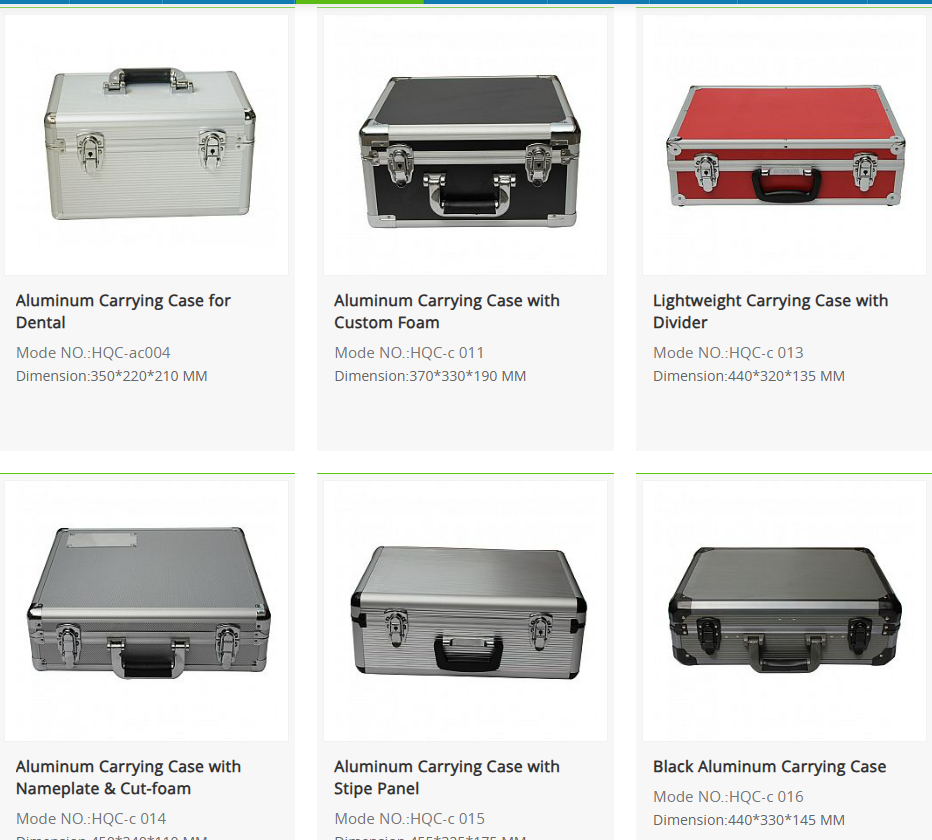
HQC, founded in 2011, is a custom case manufacturer, providing aluminum tool cases, aluminum equipment cases, aluminum instrument cases, aluminum briefcases, aluminum gun cases, flight cases, hard plastic cases, and presentation cases for commercial, industrial, and military applications.
HQC has a variety of advanced equipment and experienced and professional staff. We can develop and process all kinds of aluminum cases catering to customers' demands.
HQC inspects every case according to customers` requirements, and all cases will be checked at least twice. So, there are nearly no bad ones. Once find a bad one, they will do new ones for free for customers. So, HQC case sells very well in Japan, Europe, and America.
More Details: https://www.hqc-aluminumcase.com